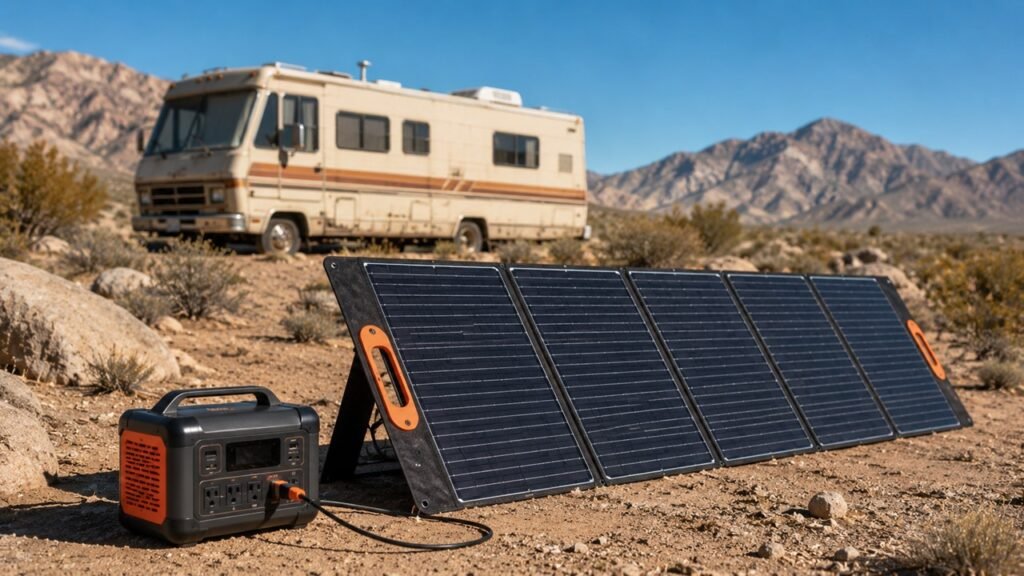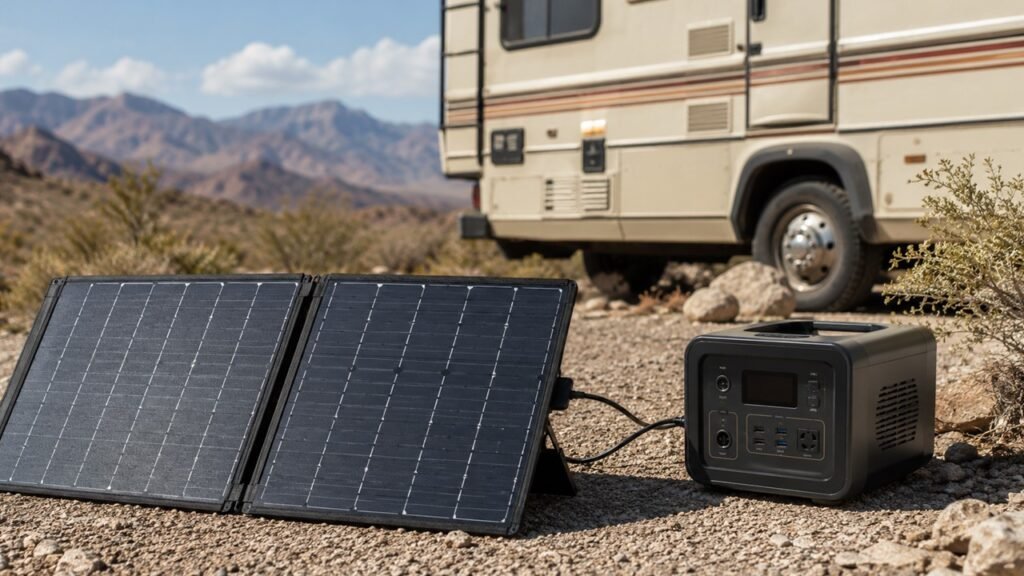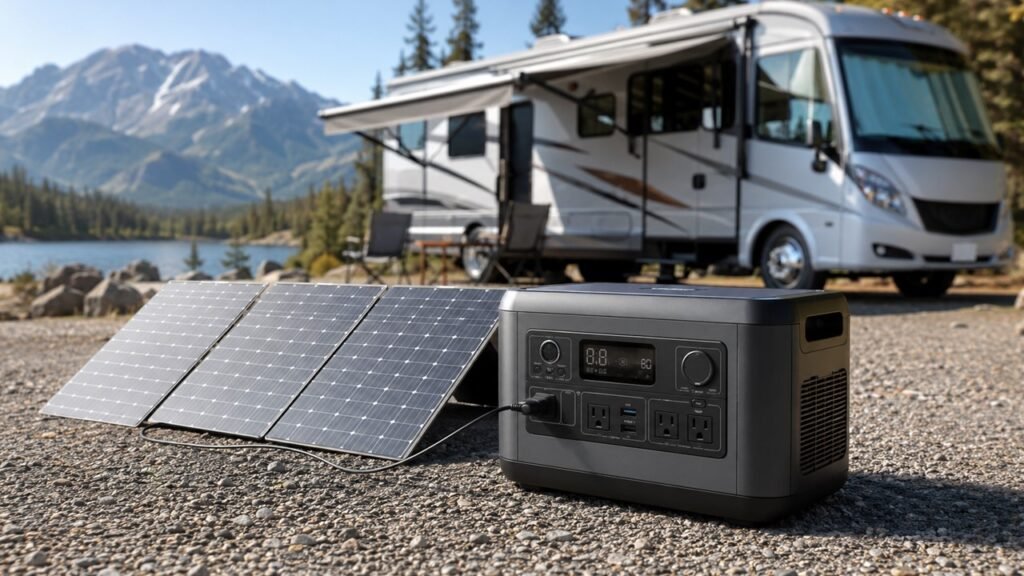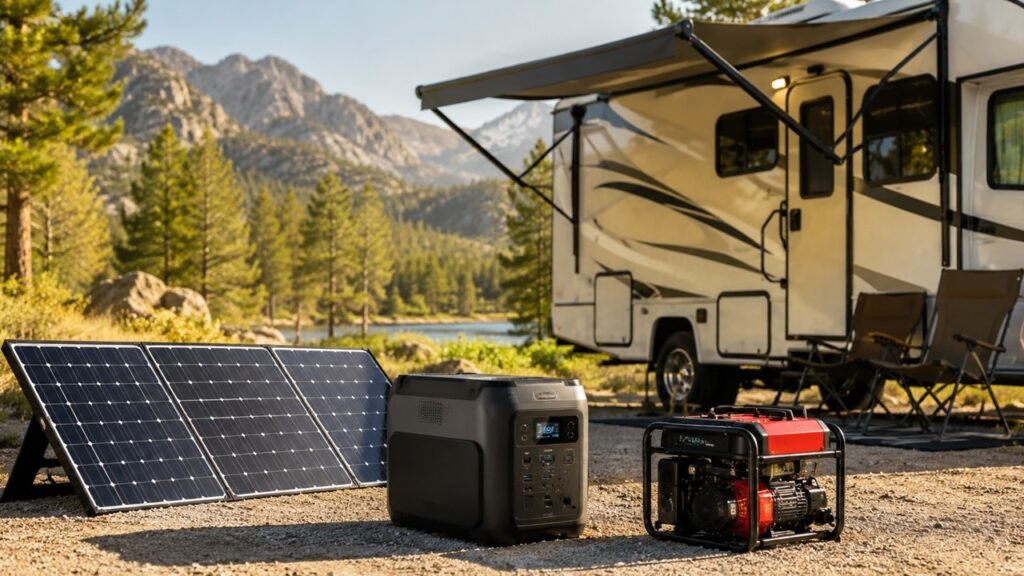
RV batteries usually drain overnight because something in the RV is still using power after dark. Common causes include parasitic loads, a furnace blower, an inverter left on, a 12V fridge, cold weather, weak batteries, or a battery bank that is too small for your RV setup.
Some battery loss overnight is normal. But if your RV battery goes from full to dead by morning, there is either too much power being used, the battery is not fully charging, or the battery can no longer hold a proper charge.
Key Takeaways
- RV batteries can drain overnight even when everything seems turned off.
- Propane detectors, CO detectors, fridge boards, radios, USB ports, and control panels can create hidden power draws.
- RV furnaces use propane for heat, but the blower fan still uses 12V battery power.
- An inverter can drain your battery overnight even when no major appliance is running.
- Old lead-acid batteries may show full charge but drop quickly under load.
- Cold weather makes the battery weaker and makes the furnace run longer.
- The fastest fix is to turn off the inverter, reduce furnace use, check hidden loads, and test the battery.
Is It Normal for an RV Battery to Drain Overnight?
Yes, a small amount of overnight battery drain is normal in most RVs. Your RV may still power safety alarms, fridge controls, the thermostat, radio memory, tank monitors, and other small 12V systems.
But your battery should not be dead by morning if you are only running basic loads. If that happens often, your battery bank may be too small, your furnace or inverter may be using too much power, or the battery may be weak.
A healthy, properly sized RV battery should last through the night for basic lights, water pump use, safety detectors, and light furnace cycling. Heavy inverter use, cold weather, or a 12V fridge can change that quickly.
Common Reasons RV Batteries Drain Overnight
Several different issues can cause an RV battery to lose power while you sleep. The most common causes range from hidden electrical loads to charging problems and battery health issues.
Parasitic Loads Are Still Running
Parasitic loads are small electrical draws that keep using power even when you think everything is off. These loads are common in RVs because some systems need power for safety or memory settings.
Common parasitic loads include:
- Propane detector
- Carbon monoxide detector
- Fridge control board
- Thermostat
- Radio memory
- USB ports with indicator lights
- Tank monitor panel
- TV antenna booster
- Security system
- Control boards for appliances
One small load may not seem like much. But several small loads running all night can drain a small or weak battery, especially if you only have one lead-acid battery.
The Furnace Blower Uses 12V Power
An RV furnace burns propane to make heat, but it still needs 12V battery power to run the blower fan, thermostat, and control board. This is one of the biggest reasons RV batteries die overnight in cold weather.
If the furnace cycles many times during the night, it can pull a lot of amp-hours from the battery. A single small battery may not last until morning if the furnace keeps running.
Signs your furnace is draining the battery:
- Battery drains faster in cold weather
- Furnace runs many times overnight
- Lights dim when the furnace starts
- Battery is low by morning
- The problem happens more in winter than summer
The Inverter Was Left On
Your inverter converts 12V battery power into 120V AC power. If it stays on overnight, it can keep using power even when you are not actively using an appliance.
This standby draw can be a major hidden drain. Plugged-in chargers, TVs, microwave clocks, routers, and other small AC devices can add even more load.
Turn the inverter off overnight unless you need it for something important, such as a CPAP machine, residential fridge, or required AC-powered device.
Your RV Fridge Is Using Battery Power
RV fridge battery use depends on the fridge type. Some fridges only need a small amount of 12V power for controls. Others can drain the battery much faster.
| RV Fridge Type | Battery Impact Overnight | What to Know |
| Propane absorption fridge | Low to moderate | Still uses 12V power for controls |
| 12V compressor fridge | Moderate | Runs in cycles all night |
| Residential fridge | High | Needs inverter power |
| Fridge on electric mode | Very high | Can drain batteries fast off-grid |
If your fridge is running through an inverter or using 12V compressor power, make sure your battery bank is large enough for overnight use.
The Battery Is Old or Weak
An old RV battery can show a full charge but still drain quickly. This is common with lead-acid batteries that have been deeply discharged many times.
Lead-acid batteries lose capacity from age, sulfation, low water levels, and incomplete charging. A 100Ah battery may no longer act like a 100Ah battery after years of use.
A weak battery may look fine in the evening. But once the furnace, lights, water pump, or fridge starts running, the voltage can drop fast.
The Battery Bank Is Too Small
Many RVs come with only one small house battery. That may be enough for light weekend use, but it is often not enough for boondocking, furnace use, 12V fridges, or inverter loads.
A single battery may handle lights and a water pump. But it can struggle if you also run a furnace, fridge, router, TV, or inverter overnight.
Basic sizing guide:
| RV Use Style | Suggested Battery Capacity |
| Light overnight use | 100Ah lithium or 200Ah lead-acid |
| Furnace and fridge use | 200Ah to 400Ah lithium |
| Residential fridge or inverter use | 300Ah to 600Ah lithium |
| Air conditioner off-grid | Large lithium bank with strong inverter setup |
Cold Weather Reduces Battery Performance
Cold weather makes RV battery problems worse. The furnace runs more often, and the battery has less usable power.
Lead-acid batteries are affected more by cold temperatures. So a battery that works fine in mild weather may struggle during winter camping.
If your RV battery only drains overnight in cold weather, the furnace and reduced battery capacity are likely the main reasons.
The Battery Did Not Fully Recharge During the Day
Your battery may not actually be full when you go to bed. This happens often with solar, generators, older converters, and alternator charging.
Common charging problems include:
- Not enough sunlight
- Dirty solar panels
- Weak converter
- Short generator runtime
- Poor alternator charging
- Wrong charger settings
- Battery monitor not calibrated
- Lead-acid battery not reaching full charge
If you start the night at 70% or 80%, the battery may not have enough reserve to last until morning.
How Much RV Battery Drain Is Normal Overnight?
The amount of battery drain that is considered normal depends on your RV setup and what equipment is running overnight. Understanding typical usage can help you tell the difference between normal power consumption and a problem.
Normal overnight drain depends on battery size, battery type, weather, and what you leave running. A few small standby loads are normal. A furnace, inverter, fridge, or router can use much more.
| Overnight Use Case | Battery Use | Is It Normal? |
| Only detectors and standby loads | Low | Yes |
| Lights, water pump, phone charging | Low to moderate | Yes |
| Furnace cycling overnight | Moderate to high | Yes in cold weather |
| Inverter left on all night | Moderate to high | Avoid if possible |
| Battery dead with everything off | High | Not normal |
If your battery dies with almost nothing running, check for parasitic draw or battery health issues.
How to Find What Is Draining Your RV Battery
If you are not sure where the power is going, a few simple tests can help identify the source of the drain. Start with the easiest checks before moving on to more detailed troubleshooting.
Start With a Fully Charged Battery
Charge the battery fully before testing. If the battery is already low, it will be hard to know whether the problem is power drain or poor charging.
Let the battery rest after charging, then check the voltage or battery monitor reading before bed.
Check Battery Level Before Bed and in the Morning
Write down the battery percentage or voltage before sleeping. Also note what was left on overnight.
In the morning, check the battery again. This gives you a clear idea of how much power was used while you slept.
Turn Off the Inverter and Test Again
The inverter is one of the easiest things to test. Turn it off for one night and compare the battery level in the morning.
If the battery lasts much longer, your inverter or AC-powered devices were causing a large part of the drain.
Turn Off Circuits One at a Time
You can test different circuits to find hidden draws. Turn off one non-essential circuit and watch how the battery draw changes.
Do this during the day when you can monitor the RV. Do not disable safety devices while sleeping.
Use a Battery Monitor or Clamp Meter
A battery monitor is one of the best tools for RV power problems. It shows how many amps your RV is using and how many amp-hours are left.
A clamp meter can also help you find which wire or circuit is pulling power.
Load Test the Battery
If your battery drains quickly even with low power use, the battery may be weak. A load test can show whether the battery still has useful capacity.
This is especially important for lead-acid batteries older than a few years.
How to Stop Your RV Battery From Draining Overnight
Once you know what is causing the drain, you can take steps to reduce overnight power use. Many fixes are simple and can significantly extend battery life between charges.
Turn Off the Inverter
Turn off the inverter before bed unless you need AC power. Use 12V chargers when possible and unplug devices you are not using.
This one step can save a lot of battery power overnight.
Reduce Furnace Runtime
You do not always need to run the furnace all night at the same temperature. Lowering the thermostat can reduce battery use.
Helpful steps include:
- Use warmer bedding
- Seal drafts around doors and windows
- Use insulated window covers
- Heat the RV before bed
- Lower the thermostat overnight
- Keep furnace vents clear
Only use RV-safe heating methods. Never use outdoor heaters, grills, or unsafe combustion heaters inside the RV.
Control Hidden Loads
Small loads can add up overnight. Turn off anything you do not need before sleeping.
Check these items:
- TV antenna booster
- USB chargers
- Router or Starlink
- Extra lights
- Stereo
- Inverter
- Monitor panels
- Unused accessories
Keep important safety alarms powered while using the RV.
Add More Battery Capacity
If your battery is healthy but still drains overnight, your battery bank may be too small.
You may need to:
- Add a second battery
- Upgrade to lithium
- Increase solar capacity
- Add a DC-DC charger
- Install a proper battery monitor
- Replace an old lead-acid battery
Lithium does not stop battery drain, but it gives you more usable power than lead-acid batteries.
Improve Daytime Charging
Make sure your batteries are actually reaching full charge during the day.
Check your solar panels, charge controller, converter, generator, and charger settings. If your RV never fully recharges the battery, it will be easier to drain overnight.
Lead-Acid vs Lithium: Which Lasts Longer Overnight?
Battery type plays a major role in how long your RV can operate without shore power. Comparing lead-acid and lithium batteries helps explain why some RVs make it through the night more easily than others.
Lithium batteries usually last longer overnight because they provide more usable capacity. Lead-acid batteries should not be deeply discharged often, so you only get part of their rated capacity in real use.
Lithium batteries also hold voltage better and recharge faster. But they do not remove the need for good power management. The same furnace, fridge, inverter, and parasitic loads will still use power.
| Feature | Lead-Acid Battery | Lithium Battery |
| Usable capacity | Lower | Higher |
| Deep discharge tolerance | Poor | Better |
| Weight | Heavier | Lighter |
| Maintenance | More maintenance | Low maintenance |
| Cold weather use | Loses capacity faster | Better discharge performance |
| Upfront cost | Lower | Higher |
If your lead-acid battery drains overnight, it may not be a mystery drain. It may simply have too little usable capacity left.
What to Check Before Replacing the Battery
Before spending money on a new battery, it is worth checking for common causes of overnight drain. Many battery problems are actually caused by charging issues or excessive power use.
Before blaming the battery, check these common issues:
- Was the inverter left on?
- Was the furnace running all night?
- Was the fridge using 12V or inverter power?
- Was the battery fully charged before bed?
- Is the battery older than 3 to 5 years?
- Are the solar panels charging properly?
- Is the converter working?
- Are USB chargers or lights still on?
- Is the weather cold?
- Is the battery bank too small?
If all loads are low and the battery still drains fast, then the battery likely needs testing or replacement.
When Should You Replace Your RV Battery?
Batteries do not last forever, especially if they have been heavily used or improperly maintained. Knowing the warning signs can help you replace a failing battery before it leaves you without power.
You should replace your RV battery if it charges but cannot hold power under normal use. This is common with old, sulfated, or repeatedly drained lead-acid batteries.
Signs of a bad RV battery include:
- Voltage drops quickly under load
- Battery will not last overnight
- Battery case is swollen or damaged
- Battery needs water often
- Battery smells, leaks, or gets hot
- Lights dim quickly when loads start
- Battery is several years old
A damaged, leaking, swollen, or overheating battery should be inspected and replaced safely.
Final Verdict
Most overnight battery drain can be traced back to a handful of common causes. Identifying the source of the power loss is the key to preventing dead batteries and improving your RV’s off-grid performance.
RV batteries drain overnight because your RV still uses power after dark. The most common causes are parasitic loads, furnace blower use, inverter standby draw, fridge power use, weak batteries, cold weather, and poor charging.
Start with the simple fixes first. Turn off the inverter, reduce furnace runtime, unplug unused devices, check hidden loads, and make sure the battery is fully charged. If the battery still drains quickly, test the battery and consider adding more usable capacity.
Related FAQs
Why Does My RV Battery Drain When Everything Is Off?
Your RV is rarely fully off. Propane detectors, CO detectors, fridge boards, radio memory, USB ports, and control panels can still use 12V power.
Can an RV Furnace Drain the Battery Overnight?
Yes, an RV furnace can drain the battery overnight. It uses propane for heat, but the blower fan and controls still run on 12V battery power.
Does an Inverter Drain RV Batteries When Not in Use?
Yes, many inverters use power in standby mode. Turn the inverter off overnight unless you need AC power for an essential device.
Can a Weak RV Battery Show Full Charge?
Yes, a weak battery can show full voltage after charging but drop quickly under load. A load test is the best way to confirm battery health.
Should I Disconnect My RV Battery at Night?
Usually, no. Disconnecting the battery can shut off safety systems. It is better to turn off non-essential loads and keep safety alarms powered.
Does Cold Weather Drain RV Batteries Faster?
Yes, cold weather reduces battery performance and makes the furnace run more often. This can drain the battery much faster overnight.
How Do I Find a Parasitic Draw in My RV?
Use a battery monitor, clamp meter, or fuse-by-fuse test. Check one circuit at a time and avoid disabling safety alarms while sleeping.
Will Lithium Batteries Stop Overnight Battery Drain?
No, lithium batteries do not stop power use. They simply provide more usable capacity, so they usually last longer than lead-acid batteries.

Daniel Brooks writes about RV living, gear, and travel planning with a focus on everyday usability. His guides break down complex topics into simple advice for real RV owners. He reviews products with long-term use in mind, not marketing hype.