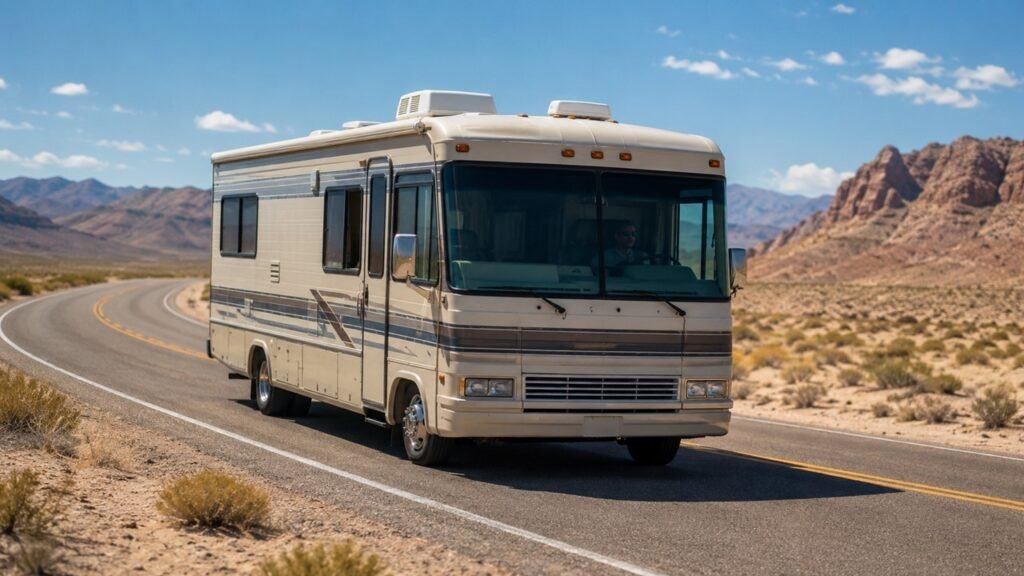
Yes, you can run two RV AC units on one generator if it has enough running and starting watts. For most setups, a 5,500-watt generator is the minimum, while 6,500 to 7,000 watts offers better reliability.
The biggest challenge is handling startup surge when compressors turn on, which can overload smaller generators. Soft start kits help reduce this surge, but proper generator sizing and load management are still essential.
Key Takeaways
- Minimum generator size: 5,500 watts; ideal range: 6,500–7,000 watts
- Startup surge is the main challenge, not steady running power
- Soft start kits improve performance but don’t replace proper sizing
- Managing other RV loads is critical to avoid overload
Quick Answer: What Size Generator Runs Two RV AC Units?
Most RVs need a generator between 5,500 and 7,000 watts to run two RV AC units. A 5,500-watt generator may work with careful power management, but a 6,500 to 7,000-watt generator gives more comfort margin.
| RV Setup | Minimum Generator Size | Better Generator Size | Notes |
| Two 13,500 BTU AC units | 5,500 watts | 6,500–7,000 watts | Works better with soft starts |
| Two 15,000 BTU AC units | 6,000 watts | 7,000–8,000 watts | Higher startup demand |
| Two ACs with soft starters | 4,500–5,500 watts | 5,500–6,500 watts | Depends on other loads |
| Two ACs plus microwave | 7,000 watts | 8,000+ watts | Needs strong power management |
| Two portable generators in parallel | 5,000–6,000 combined watts | 6,000+ combined watts | Requires a proper parallel kit |
A 5,500-watt RV generator can often run two air conditioners, especially in motorhomes with built-in generators. However, it may struggle if you also run the microwave, electric water heater, coffee maker, or a heavy battery charger load at the same time.
For the smoothest experience, many RV owners prefer a 6,500 to 7,000-watt generator for two AC units. That size gives more room for normal RV loads without constantly worrying about tripping breakers.
Why Running Two RV AC Units Requires So Much Generator Power
Running two RV air conditioners takes a lot of generator power because each AC unit has a compressor. The compressor is the part that creates the largest electrical demand.
Once an RV air conditioner is already running, its power use becomes more stable. However, every time the compressor starts, it needs a short burst of extra electricity. This is called starting watts, startup surge, or surge wattage.
That surge can be two to three times higher than the normal running wattage. So even if two AC units only need around 3,000 to 4,000 watts while running, they may need much more power when starting.
This is why generator sizing can feel confusing. A generator may look big enough on paper based on running watts, but it may still fail when the second AC compressor starts.
Two RV AC units also cycle on and off throughout the day. They do not always run at the same steady level. If both compressors try to restart close together, the generator must handle a large temporary power spike.
Other RV loads also matter. Your converter, battery charger, fridge, water heater, microwave, and outlets may all pull power from the same generator. If those loads are active when the AC units start, the generator may trip.
That is why running two RV AC units is not only about buying a big generator. It is also about managing when and how your appliances use power.
Starting Watts vs Running Watts for Two RV Air Conditioners
To choose the right generator, you need to understand the difference between running watts and starting watts. These two numbers decide whether your generator can actually run two RV air conditioners.
Running Watts
Running watts are the watts an appliance needs after it is already operating. For an RV air conditioner, this is the power needed to keep the fan and compressor running during normal cooling.
Typical running watt estimates look like this:
- A 13,500 BTU RV AC may use about 1,300 to 1,800 running watts.
- A 15,000 BTU RV AC may use about 1,500 to 2,000 running watts.
- Two RV AC units together may use about 2,800 to 4,000 running watts.
These are general estimates. Your actual AC may use more or less depending on its brand, age, efficiency, compressor type, and condition.
Starting Watts
Starting watts are the temporary watts needed when the AC compressor first turns on. This number is usually much higher than the running wattage.
For example, a 15,000 BTU RV air conditioner may run at around 1,800 watts, but it may need 3,000 watts or more for startup. If your generator cannot handle that short surge, the AC may fail to start.
When you have two AC units, startup surge becomes even more important. One AC may already be running when the second AC tries to start. That means the generator must support the running load of the first AC plus the startup surge of the second AC.
This is the moment when many smaller generators overload.
Why Surge Capacity Matters More Than Advertised Wattage
Generator labels can be confusing because they often show two numbers: running watts and peak watts.
Running watts show what the generator can supply continuously. Peak watts show what it can supply for a short moment during startup.
For example, a generator may advertise 6,500 peak watts but only provide 5,500 running watts. That means you should not plan your full RV load around the peak number. The generator can only hold that higher number briefly.
For two RV AC units, the safest approach is to size your generator based on both numbers. You need enough running watts for normal operation and enough surge capacity for compressor startup.
How Many Watts Do Two RV AC Units Actually Use?
Two RV AC units usually use around 2,600 to 4,000 running watts combined. However, starting wattage can be much higher, especially without soft start kits.
| AC Combination | Estimated Running Watts | Estimated Starting Watts Without Soft Start | Estimated Starting Watts With Soft Start |
| Two 13,500 BTU ACs | 2,600–3,600W | 5,000–7,000W+ | 3,500–5,000W |
| One 13,500 BTU + one 15,000 BTU | 2,800–3,800W | 5,500–7,500W+ | 4,000–5,500W |
| Two 15,000 BTU ACs | 3,000–4,000W | 6,000–8,000W+ | 4,500–6,000W |
These numbers are planning estimates, not exact rules. Always check the data plate, owner’s manual, or manufacturer specifications for your specific RV air conditioner.
Your real power use can change based on outdoor temperature, humidity, altitude, thermostat setting, voltage quality, AC age, and maintenance condition.
For example, an older AC with dirty coils may pull more power than a newer efficient unit. A generator that works fine in mild weather may also struggle in extreme heat because the AC compressors run harder and cycle more often.
Is a 5,500-Watt Generator Enough for Two RV AC Units?
A 5,500-watt generator can run two RV AC units in many situations. This is why many larger RVs and motorhomes come with built-in generators around this size.
However, 5,500 watts is not unlimited power. It is often enough for two AC units, lights, the TV, and small loads. But it may not be enough if you run several high-draw appliances at the same time.
A 5,500-watt generator usually works best when:
- Both AC units are 13,500 BTU or one unit is smaller.
- The AC units have soft start kits installed.
- The microwave is turned off.
- The electric water heater is switched to propane.
- The fridge is running on propane if possible.
- The battery charger is not pulling a heavy load.
- The generator is properly maintained.
- The AC filters and coils are clean.
A 5,500-watt generator may struggle when:
- Both AC units are 15,000 BTU.
- Both compressors start close together.
- The RV batteries are low and charging hard.
- The microwave or coffee maker is running.
- The electric water heater is on.
- You are camping at high altitude.
- The weather is extremely hot.
- The generator is poorly maintained.
So, is 5,500 watts enough? Often yes, but it depends on your full electrical load. If you want to run both ACs and use other appliances freely, a larger generator is better.
Is a 7,000-Watt Generator Better for Running Two RV ACs?
A 7,000-watt generator is usually a better choice for running two RV AC units. It gives more headroom for startup surge and other everyday RV loads.
With a 7,000-watt generator, you have more flexibility. You can often run two AC units while also powering lights, TV, the converter, and smaller appliances. It also gives you a better chance of handling compressor cycling without tripping a breaker.
This size is especially helpful for larger fifth wheels, Class A motorhomes, and RVs with two 15,000 BTU air conditioners. It is also better for hot climates where the AC units run longer and restart more often.
However, a 7,000-watt generator does not mean you can use everything at once. A microwave, electric water heater, coffee maker, hair dryer, and electric skillet can still overload the system if they run together.
The main benefit of 7,000 watts is comfort margin. You do not have to manage power as aggressively as you would with a smaller generator.
Can You Run Two RV AC Units on a 30-Amp Generator?
Running two standard RV AC units on a 30-amp setup is difficult. A 30-amp RV service provides limited power compared with a 50-amp RV.
Why 30-Amp RV Power Is Limited
A 30-amp RV uses 120-volt power. The basic formula is:
30 amps × 120 volts = 3,600 watts
That means a 30-amp RV can use about 3,600 watts at one time. Two standard rooftop AC units can already use close to that amount while running. Once you add startup surge and other appliances, the 30-amp limit becomes a problem.
This is why most RVs with two rooftop air conditioners are designed around 50-amp service. They need more electrical capacity than a typical 30-amp system can provide.
When Two ACs Might Work on 30 Amps
Two AC units may work on a 30-amp setup only in limited situations:
- Both AC units are smaller or high-efficiency models.
- Both AC units have soft start kits.
- Other appliances are turned off.
- The RV wiring supports the setup safely.
- The second AC is designed for limited-power operation.
- The user carefully staggers startup.
- The generator has enough surge capacity.
Even then, it is not always ideal. You may need to turn off the microwave, electric water heater, converter load, and other appliances to keep both ACs running.
Why 50-Amp RVs Handle Two ACs Better
A 50-amp RV has much more available power than a 30-amp RV. A true 50-amp RV service uses two 120-volt legs, which can provide up to 12,000 watts from shore power.
That does not mean your generator must always provide 12,000 watts. It only means the RV electrical system is designed to handle more power. Your generator still decides how much power is actually available.
This is why a 50-amp RV may run two AC units well on a 5,500 to 7,000-watt generator, even though full 50-amp shore power can provide much more.
Can You Run Two RV AC Units on a 50-Amp Generator Setup?
Yes, a 50-amp RV setup is much better suited for two AC units. Most RVs with two rooftop air conditioners are 50-amp rigs because they have more circuits and better load distribution.
However, the generator size still matters. A 50-amp plug does not automatically mean the generator can power everything in the RV. The generator must still have enough running watts and surge watts.
| Generator Size | Can It Run Two ACs? | Best Use Case |
| 4,000W | Usually no | One AC with load management |
| 4,500W | Sometimes | Two ACs only with soft starts and low extra loads |
| 5,500W | Often yes | Common onboard RV generator size |
| 6,500W | Yes, with better margin | Two ACs plus small appliances |
| 7,000W+ | Best choice | Larger rigs, hot weather, more appliances |
For most 50-amp RVs with two AC units, a 5,500-watt generator is a workable starting point. A 6,500 to 7,000-watt generator is more comfortable, especially if you camp in hot weather or use more appliances.
Do You Need Soft Start Kits to Run Two RV AC Units?
You do not always need soft start kits to run two RV AC units, but they are highly useful. In many cases, they make the difference between a generator that struggles and a generator that works smoothly.
What a Soft Start Does
A soft start kit reduces the heavy startup surge from an RV air conditioner compressor. Instead of allowing the compressor to demand a large burst of power instantly, it helps the compressor start more smoothly.
This can reduce the stress on your generator, breaker, wiring, and AC compressor. It is especially helpful when using a smaller generator or running two air conditioners.
A soft start does not dramatically reduce the normal running wattage of the AC. Its biggest benefit is reducing the startup spike.
How Soft Starts Help With Two AC Units
Soft start kits can help by:
- Reducing compressor startup surge
- Preventing generator overload
- Reducing breaker trips
- Making AC startup smoother
- Helping smaller generators handle AC cycling
- Reducing voltage dips during startup
- Making two-AC operation more reliable
- Lowering stress on the AC compressor
When two AC units are running, the generator may already be carrying a heavy load. If one compressor restarts, the soft start helps reduce that sudden demand.
Can Soft Starts Let a Smaller Generator Run Two ACs?
Yes, soft starts can sometimes let a smaller generator run two RV AC units. For example, a setup that struggles on a 5,500-watt generator may work better after installing soft starts on both AC units.
However, soft starts do not create extra generator capacity. If your two AC units and other RV loads need more running watts than the generator can provide, soft starts will not solve that problem.
Think of a soft start as a surge-control upgrade, not a replacement for proper generator sizing.
Can You Use Two Portable Generators in Parallel for Two RV ACs?
Yes, you can use two portable inverter generators in parallel to run two RV AC units, but the generators must be compatible. You also need the correct parallel kit and RV power connection.
Many RV owners prefer this setup because two smaller inverter generators can be easier to move than one large generator. It can also be quieter and more fuel-efficient at partial loads.
For example, two 3,000-watt inverter generators may provide around 6,000 combined watts, depending on the models and parallel kit. That can be enough for two RV AC units with good power management.
When using two generators in parallel, remember:
- The generators must support parallel operation.
- The parallel kit must match the generator models.
- The combined running wattage matters more than peak wattage.
- You need the correct RV outlet or adapter.
- Both generators need proper ventilation.
- Both units need fuel and maintenance.
- You should not overload the combined output.
Never connect random generators together without a proper parallel kit. Incorrect connections can damage equipment and create serious electrical hazards.
A parallel inverter setup can be a smart choice for travel trailers and fifth wheels. However, a built-in generator may be more convenient for motorhomes and larger RVs.
Built-In Generator vs Portable Generator for Two RV AC Units
Both built-in and portable generators can run two RV AC units if they are sized correctly. The better choice depends on your RV type, budget, storage space, fuel preference, and camping style.
| Feature | Built-In RV Generator | Portable Generator |
| Best for | Class A, Class C, large fifth wheels | Travel trailers and flexible setups |
| Power output | Often 5,500W–8,000W+ | Varies by model |
| Convenience | Starts from inside the RV | Requires outdoor setup |
| Fuel source | Often RV gasoline, diesel, or propane | Gas, propane, or dual fuel |
| Noise | Designed for RV use | Inverter models are quieter |
| Setup | Permanent installation | Manual placement and connection |
| Maintenance | Integrated into RV system | Easier to access directly |
| Cost | Higher installed cost | Lower upfront cost possible |
| Best two-AC setup | 5,500W–7,000W onboard generator | 6,000W+ inverter or parallel setup |
Built-in generators are common in motorhomes because they are convenient. You can often start them from inside the RV, and they connect directly to the RV electrical system.
Portable generators are more flexible. You can use them with different trailers, move them away from the RV, and choose inverter models for quieter operation. However, they require setup, storage, cords, adapters, and manual refueling.
For two RV AC units, the most important factor is still power capacity. Whether built-in or portable, the generator must provide enough running watts and startup surge.
What Else Can You Run While Two RV AC Units Are On?
Even if your generator can run two RV AC units, other appliances can quickly push the total load too high. This is where many RV owners run into problems.
Small loads like LED lights and phone chargers usually do not matter much. Large heat-producing appliances are the real issue.
| Appliance | Typical Wattage | Safe to Use With Two ACs? |
| LED lights | 20–100W | Usually yes |
| TV | 50–200W | Usually yes |
| Phone/laptop chargers | 50–200W | Usually yes |
| RV fridge on electric | 300–800W | Sometimes |
| Converter/battery charger | 300–1,000W+ | Depends on battery state |
| Microwave | 1,000–1,500W | Risky |
| Coffee maker | 800–1,500W | Risky |
| Electric water heater | 1,200–1,500W | Usually avoid |
| Hair dryer | 1,200–1,800W | Avoid |
| Toaster | 800–1,500W | Avoid |
| Electric skillet | 1,000–1,500W | Avoid |
| Electric space heater | 1,500W | Avoid |
When both AC units are running, avoid using:
- Microwave
- Hair dryer
- Electric water heater
- Electric space heater
- Toaster
- Coffee maker
- Electric skillet
- Large battery charger loads
If you need to use the microwave, turn off one AC temporarily. If you need hot water, switch the water heater to propane if your RV allows it.
The goal is simple: do not stack multiple high-draw appliances on top of two running AC units.
How to Start Two RV AC Units Without Tripping the Generator
The way you start both AC units matters. Staggering the startup helps your generator handle the load more smoothly.
Follow these steps:
- Turn off high-draw appliances first.
- Switch the water heater to propane if possible.
- Switch the fridge to propane if needed.
- Turn off the microwave, coffee maker, and hair dryer.
- Start the generator and let it warm up.
- Turn on the first RV AC unit.
- Wait 2 to 5 minutes for the compressor to settle.
- Turn on the second RV AC unit.
- Add small loads slowly.
- Watch for breaker trips, rough generator sound, or voltage drops.
If the generator struggles when the second AC starts, the issue is usually startup surge. Soft start kits, better load management, cleaner AC components, or a larger generator may solve the problem.
Do not repeatedly force the AC to restart if the generator keeps tripping. That can stress the compressor and electrical system.
Generator Sizing Examples for Two RV AC Units
Generator sizing becomes easier when you look at realistic examples. These examples are estimates, but they show how quickly RV power loads add up.
Example 1: Two 13,500 BTU AC Units
A common setup is two 13,500 BTU rooftop air conditioners.
Estimated load:
- First AC running load: about 1,500W
- Second AC running load: about 1,500W
- Combined AC running load: about 3,000W
- Other small loads: about 500–1,000W
- Practical generator size: 5,500–6,500W
- Better choice: 6,500W with soft starts
In this case, a 5,500-watt generator may work if you manage other appliances. A 6,500-watt generator gives more breathing room.
Example 2: Two 15,000 BTU AC Units
Two 15,000 BTU AC units need more power, especially during startup.
Estimated load:
- First AC running load: about 1,800–2,000W
- Second AC running load: about 1,800–2,000W
- Combined AC running load: about 3,600–4,000W
- Other RV loads: about 500–1,500W
- Practical generator size: 6,500–7,500W
- Better choice: 7,000W+ with soft starts
This setup has less room for mistakes. If the microwave or electric water heater turns on, a smaller generator may overload quickly.
Example 3: Two ACs Plus Microwave
This is where many RV owners trip breakers.
Estimated load:
- Two AC units running: about 3,000–4,000W
- Microwave: about 1,000–1,500W
- Converter, fridge, lights, outlets: about 500–1,000W
- Total possible running load: about 4,500–6,500W+
- Practical generator size: 7,000–8,000W+
With a 5,500-watt generator, running the microwave while both AC units are active can be risky. It may work for a short time, but it can also overload the generator.
The safer habit is to turn off one AC before using the microwave or another high-draw appliance.
Example 4: Two ACs With Soft Start Kits
Soft starts can reduce the startup burden.
Estimated load:
- Two AC running load: about 3,000–4,000W
- Reduced startup surge: easier for generator to handle
- Practical generator size: 4,500–5,500W in some setups
- Better choice: 5,500–6,500W
This setup can work well for careful RVers. However, it still requires load management. A soft start helps with startup surge, not total running load.
Why Your Generator Still Trips With Two AC Units
If your generator trips while running two RV AC units, the generator may not be the only problem. Several hidden issues can overload the system.
Both Compressors Start Too Close Together
RV air conditioners cycle on and off based on thermostat demand. Sometimes both compressors may restart close together. That creates a large surge demand.
Even if the generator can handle both ACs running, it may not handle both starting at nearly the same time. Soft starts and staggered startup can help reduce this issue.
The Battery Charger Is Pulling Too Much Power
Your RV converter or battery charger can pull a large load when the batteries are low. Many RV owners forget about this because the charger works quietly in the background.
If your batteries are deeply discharged, the charger may demand hundreds or even over 1,000 watts. That extra load can make the generator trip when the AC compressor starts.
If your generator is struggling, check whether your battery charger is working hard. Reducing charger demand or letting batteries charge before running both ACs may help.
The Electric Water Heater Is On
An electric RV water heater can use around 1,200 to 1,500 watts. That is a major load when two AC units are already running.
Many RVers do not realize the water heater is on electric mode. Then the generator trips when the water heater, AC compressor, and other appliances overlap.
When running two AC units on a generator, switch the water heater to propane whenever possible.
High Altitude Reduces Generator Output
Generators lose power at higher elevations because the engine gets less oxygen. This means a generator that works well at low elevation may struggle in mountain areas.
Hot weather can make the problem worse. The generator produces less effective power, while the AC units work harder to cool the RV.
If you camp at high altitude often, choose a larger generator or install soft starts for extra reliability.
Dirty AC Coils or Generator Maintenance Issues
Poor maintenance can increase power demand and reduce generator output.
Common problems include:
- Dirty RV AC filter
- Dirty rooftop condenser coils
- Weak generator fuel supply
- Old spark plug
- Clogged generator air filter
- Low oil
- Old fuel
- Poor extension cord
- Loose adapter connection
- Weak breaker
- Overheated generator
- Blocked generator ventilation
Before upgrading your generator, check basic maintenance first. Sometimes cleaning the AC filter, servicing the generator, or improving airflow can solve the issue.
Safety Tips for Running Two RV AC Units on a Generator
Generator safety matters because you are dealing with electricity, heat, fuel, and carbon monoxide. Running two AC units increases the load, so safe setup becomes even more important.
Follow these safety tips:
- Run the generator outdoors only.
- Keep the generator away from windows, doors, and vents.
- Use working carbon monoxide detectors inside the RV.
- Never run a generator inside a garage, storage bay, or enclosed area.
- Keep the generator on stable, level ground.
- Do not overload adapters or extension cords.
- Use RV-rated power cords.
- Use the correct plug type for your RV.
- Keep the generator dry and ventilated.
- Do not refuel a hot running generator.
- Check oil level before long use.
- Follow campground generator-hour rules.
- Keep children and pets away from the generator.
- Do not place the generator under the RV.
- Do not ignore repeated breaker trips.
- Never backfeed power into a home or RV system incorrectly.
If you smell exhaust inside the RV or your carbon monoxide alarm goes off, shut down the generator immediately and move to fresh air.
Generator Setup for Two RV AC Units
The best generator setup depends on your RV type and how you camp. Some RVers need maximum convenience, while others prefer quiet portable inverter generators.
| RV Owner Type | Best Generator Setup |
| Class A motorhome with two ACs | 5,500W–7,000W built-in generator |
| Class C motorhome with two ACs | 5,500W+ onboard generator |
| Fifth wheel with two ACs | 6,500W–8,000W portable or onboard generator |
| Travel trailer with two ACs | 5,500W+ portable inverter generator |
| Quiet camping preference | Two inverter generators in parallel |
| Hot weather camping | 7,000W+ with soft starts |
| Existing small generator owner | Add soft starts and manage loads carefully |
| Heavy appliance user | 7,000W–8,000W+ generator |
| Weekend camper | 5,500W–6,500W with load management |
| Boondocker | Inverter generator setup with soft starts |
The best setup is not always the biggest generator. A larger generator gives more power, but it also adds weight, noise, fuel use, and cost.
For many RV owners, the best combination is a properly sized inverter generator, soft start kits on both ACs, and smart appliance management. That setup keeps the RV cool without overloading the system.
One Large Generator vs Two Smaller Generators
One large generator is simple. You start one machine, connect one cord, and power the RV. This is often the easiest setup for motorhomes and larger RVs.
Two smaller generators in parallel can be more flexible. You can use one generator for lighter loads and both generators when running two AC units. This may save fuel and reduce noise during low-power use.
However, two generators also mean more equipment. You need two engines to maintain, two fuel tanks to manage, and a compatible parallel kit.
One large generator may be better if you want:
- Simple setup
- Fewer cords
- Higher single-unit output
- Built-in RV convenience
- Less equipment to manage
Two smaller generators may be better if you want:
- Easier lifting
- Quieter inverter operation
- Flexible power use
- Backup if one generator fails
- Better portability
For two RV AC units, either setup can work. The key is total running capacity, surge capacity, correct wiring, and safe operation.
Gas, Propane, Diesel, or Dual Fuel: Which Is Better?
Generator fuel type also matters when running two RV AC units. Each fuel has benefits and trade-offs.
Gasoline generators are common and usually provide strong output. Gas is easy to find, but it can go stale if stored too long.
Propane generators burn cleaner and store well. However, propane generators may produce slightly less power than gasoline models in some cases. They can also use propane quickly when running two AC units in hot weather.
Diesel generators are common in diesel motorhomes. They are durable and efficient for large onboard systems, but they usually cost more.
Dual fuel generators give flexibility because they can run on gasoline or propane. This can be helpful for RVers who want backup fuel options.
For two AC units, choose fuel based on availability, storage, runtime, and generator output. Do not choose fuel type only by convenience. Make sure the generator still produces enough power on the fuel you plan to use.
How Weather and RV Conditions Affect Two-AC Generator Use
Your generator and AC units do not work in perfect laboratory conditions. Real camping conditions can change everything.
Hot weather increases AC workload. When the RV sits under direct sun, both AC units may run longer and restart more often. This increases generator load and fuel use.
Humidity also matters. In humid weather, the AC works harder to remove moisture from the air. That can make cooling feel slower, even if both units are running.
RV insulation affects performance too. Large windows, poor seals, thin walls, and open doors allow heat to enter faster. The AC units must work harder to maintain a comfortable temperature.
Parking in shade can reduce the load. Reflective window covers, awnings, roof vent insulation, and closed blinds can also help.
If your generator barely runs two AC units in mild weather, it may struggle during extreme summer heat. That is why extra generator headroom is useful.
Tips to Make Two RV AC Units Run More Efficiently
You can reduce generator strain by helping your RV stay cooler. These habits improve comfort and reduce electrical demand.
Use these tips:
- Pre-cool the RV before the hottest part of the day.
- Park in shade when possible.
- Use awnings to block direct sun.
- Close blinds and curtains.
- Use reflective window covers.
- Keep doors and windows closed.
- Clean AC filters regularly.
- Keep rooftop coils clean.
- Do not set the thermostat extremely low.
- Use fans to move cool air inside the RV.
- Cook outside during hot weather.
- Use propane for water heating.
- Avoid baking or using heat-producing appliances inside.
- Seal air leaks around doors and windows.
These small habits can make a big difference. The less heat your RV gains, the less both AC units need to run.
How to Know If Your Generator Is Too Small
A generator that is too small will usually show warning signs. Do not ignore them.
Your generator may be too small if:
- It trips when the second AC starts.
- It bogs down when the compressor cycles.
- The AC fan runs but the compressor does not start.
- Lights dim heavily during AC startup.
- Breakers trip repeatedly.
- The generator overload light turns on.
- The generator shuts off under load.
- The AC starts only when all other loads are off.
- The setup works in cool weather but fails in hot weather.
If this happens, reduce loads first. Turn off the microwave, water heater, coffee maker, and battery charger if possible. Then restart the ACs one at a time.
If the problem continues, you may need soft starts, generator maintenance, AC maintenance, or a larger generator.
Should You Upgrade the Generator or Add Soft Starts First?
If your generator is close to working, soft starts may be the smarter first upgrade. They cost less than replacing a generator and can solve startup surge problems.
Soft starts are especially useful when:
- The generator trips during compressor startup.
- The AC runs fine after it starts.
- You already have a 5,500-watt generator.
- You want to run two ACs with fewer breaker trips.
- You use a portable inverter generator.
- You camp in places with limited power.
A larger generator may be better when:
- Your total running load is too high.
- You want to use the microwave with both ACs.
- You have two 15,000 BTU AC units.
- You camp often in extreme heat.
- You need more appliance flexibility.
- Your current generator is old or underpowered.
In many cases, the best solution is both: a properly sized generator and soft starts on both AC units.
Final Verdict
Yes, one generator can run two RV AC units if it has enough running capacity and surge capacity. For most RVs, a 5,500-watt generator is the practical minimum, while 6,500 to 7,000 watts is the safer range.
If you have two 13,500 BTU AC units and manage your appliances carefully, a 5,500-watt generator may work well. If you have two 15,000 BTU AC units, camp in hot weather, or want to use more appliances, a 7,000-watt or larger generator is usually better.
Soft start kits are one of the best upgrades for two-AC RV setups. They reduce startup surge and make generator-powered cooling smoother. However, they do not replace proper generator sizing.
The safest approach is to check your AC wattage, understand your generator’s running and surge ratings, turn off high-draw appliances, and start each AC one at a time.
With the right setup, one generator can keep both RV AC units running and your RV comfortable during hot-weather camping.
Related FAQs
Can a 5,500-watt generator run two RV air conditioners?
Yes, a 5,500-watt generator can often run two RV air conditioners, especially if both AC units have soft starts. However, you may need to turn off high-draw appliances like the microwave, coffee maker, and electric water heater.
Can a 4,000-watt generator run two RV AC units?
Usually, a 4,000-watt generator is too small for two standard rooftop RV AC units. It may work only with efficient ACs, soft starts, and very strict load management.
Can two 15,000 BTU RV ACs run on one generator?
Yes, two 15,000 BTU RV AC units can run on one generator, but they usually need around 6,500 to 7,500 watts or more. Soft start kits can make the setup more reliable.
Do I need a 50-amp generator to run two RV AC units?
Not always. Most two-AC RVs are 50-amp rigs, but the generator does not always need to provide full 50-amp shore power. Many RVs can run two AC units on a 5,500 to 7,000-watt generator.
Will a soft start let me run two RV ACs on a smaller generator?
A soft start can help a smaller generator handle compressor startup surge. However, the generator still needs enough running watts for both AC units and other active RV loads.
Can I run two RV ACs and a microwave at the same time?
Sometimes, but it usually requires a larger generator around 7,000 watts or more. With a 5,500-watt generator, using the microwave while both ACs run may trip the breaker.
Is one large generator better than two smaller generators in parallel?
One large generator is simpler, while two smaller inverter generators can be easier to move and quieter. The better choice depends on your RV, storage space, fuel preference, and noise needs.
Why does my generator trip when the second AC turns on?
Your generator likely trips because the second AC compressor creates a startup surge. Soft starts, staggered startup, reduced appliance load, or a larger generator can help solve the problem.
Can I run two RV AC units overnight on a generator?
Yes, if the generator is rated for extended operation, placed safely outdoors, and has enough fuel. You also need working carbon monoxide detectors and must follow campground generator-hour rules.
Does altitude affect running two RV AC units on a generator?
Yes, altitude can reduce generator output. A setup that works at low elevation may struggle in the mountains, especially during hot weather when both AC units run harder.
Should I turn off the electric water heater when running two ACs?
Yes, it is usually best to switch the water heater to propane when running two AC units on a generator. Electric water heaters use a lot of power and can overload the generator.
What is the best generator size for two RV AC units?
For most RVs, the best generator size for two AC units is around 6,500 to 7,000 watts. A 5,500-watt generator can work, but a larger generator gives better reliability and more appliance flexibility.

Daniel Brooks writes about RV living, gear, and travel planning with a focus on everyday usability. His guides break down complex topics into simple advice for real RV owners. He reviews products with long-term use in mind, not marketing hype.